7 Truths About Deep & Raw: The Erotica of Martone That People Won’t Say Out Loud
There is an assumption people make the moment they hear the title Deep & Raw: The Erotica of Martone.
They think they already understand it.
They expect something immediate.
Something physical.
Something indulgent.
Something designed to provoke and then disappear.
But what exists within these pages does not move that way.
It lingers.
It returns.
It stays with you longer than expected—and not always in ways that are comfortable.
Because this book was never written to be consumed quickly.
It was written to be experienced—and then questioned.
It Was Never Just About Sex
Yes—the book is erotic.
That much is undeniable.
But reducing Deep & Raw to that alone misses the point entirely.
Because what the work actually explores is not just desire—but everything that surrounds it:
- the silence after connection
- the emotional shift once the moment ends
- the difference between being touched and being understood
In pieces like The Weight of Midnight, the story does not end where most expect it to.
It begins after.
After the bodies settle.
After the room quiets.
After the other person falls asleep.
And what remains is not satisfaction—but awareness.
That is where the book separates itself.
The Cover Was Never the Whole Story
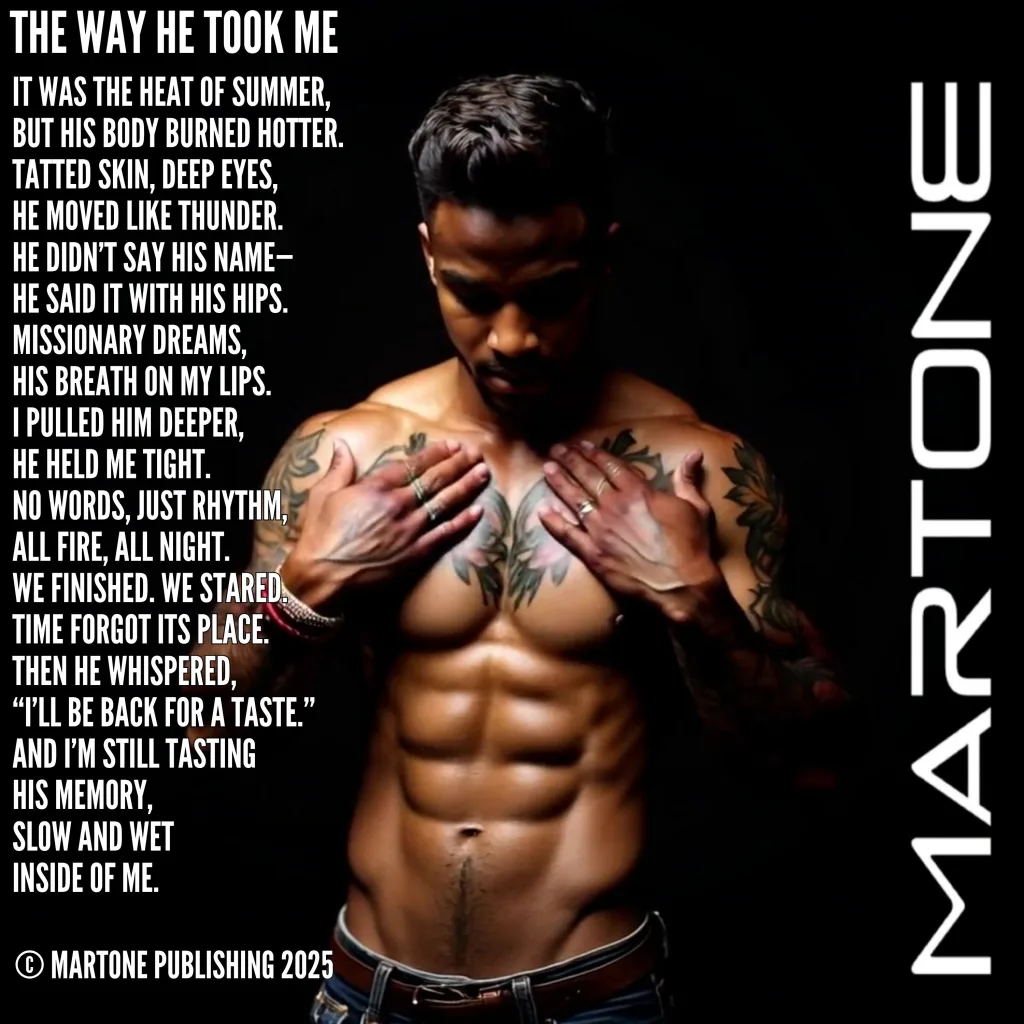
The visual presentation of this book is intentional.
It invites attention.
It suggests sensuality.
It opens the door.
But it does not explain what waits inside.
Because once you move beyond the surface, the work shifts in tone and direction:
From body → to memory
From heat → to reflection
From presence → to absence
That transition is where many readers pause.
Because it challenges expectation.
It asks them to engage not only with what they see—but with what they feel after.
And not everyone is prepared for that.
The Pushback That Wasn’t Always Spoken
There were reactions to this book.
Not always direct.
Not always public.
But present.
Questions surfaced—quietly, sometimes indirectly:
- Is this too explicit?
- Who is this for?
- Does it fit into what people expect from a Black author?
- From a queer voice?
- From an artist who does not filter himself for comfort?
And then something else happened.
The book charted.
It reached #3 on Amazon’s Best Selling African Poetry list.
And shortly after?
Visibility shifted.
It became harder to find.
Less present in the same spaces where it had gained traction.
Then, just as quietly as it receded—it returned.
No announcement.
No explanation.
Just absence… and reappearance.
That alone raises questions worth asking.

What This Book Actually Is
It is not:
- a collection designed only to arouse
- a surface-level exploration of sexuality
- or a performance meant for shock value
It is:
- a study of intimacy
- a reflection on emotional aftermath
- a documentation of moments that often go unspoken
The writing moves between physical and psychological space without warning—mirroring real-life experience in a way that feels familiar, even when it is not openly discussed.
That is where its power lies.
Recognition and Silence Can Exist Together
This book has lived in two realities at once:
- visible enough to chart
- quiet enough to avoid widespread conversation
It has:
- reached the Top 3 on Amazon
- returned after a period of reduced visibility
- and now stands under consideration for the Pulitzer Prize
Those things are not contradictions.
They are reflections of the same environment.
Recognition does not always guarantee visibility.
And visibility does not always guarantee conversation.
The Question That Remains
So the question is not whether Deep & Raw: The Erotica of Martone is provocative.
It is.
The real question is:
Why does it make people hesitate to speak about it openly?
Is it the content?
The identity behind it?
The honesty within it?
Or is it something deeper—something that reflects discomfort not with the work, but with what it reveals?
Final Line
Some books are read.
Some books are felt.
And some…
are experienced in silence.
Share via: