
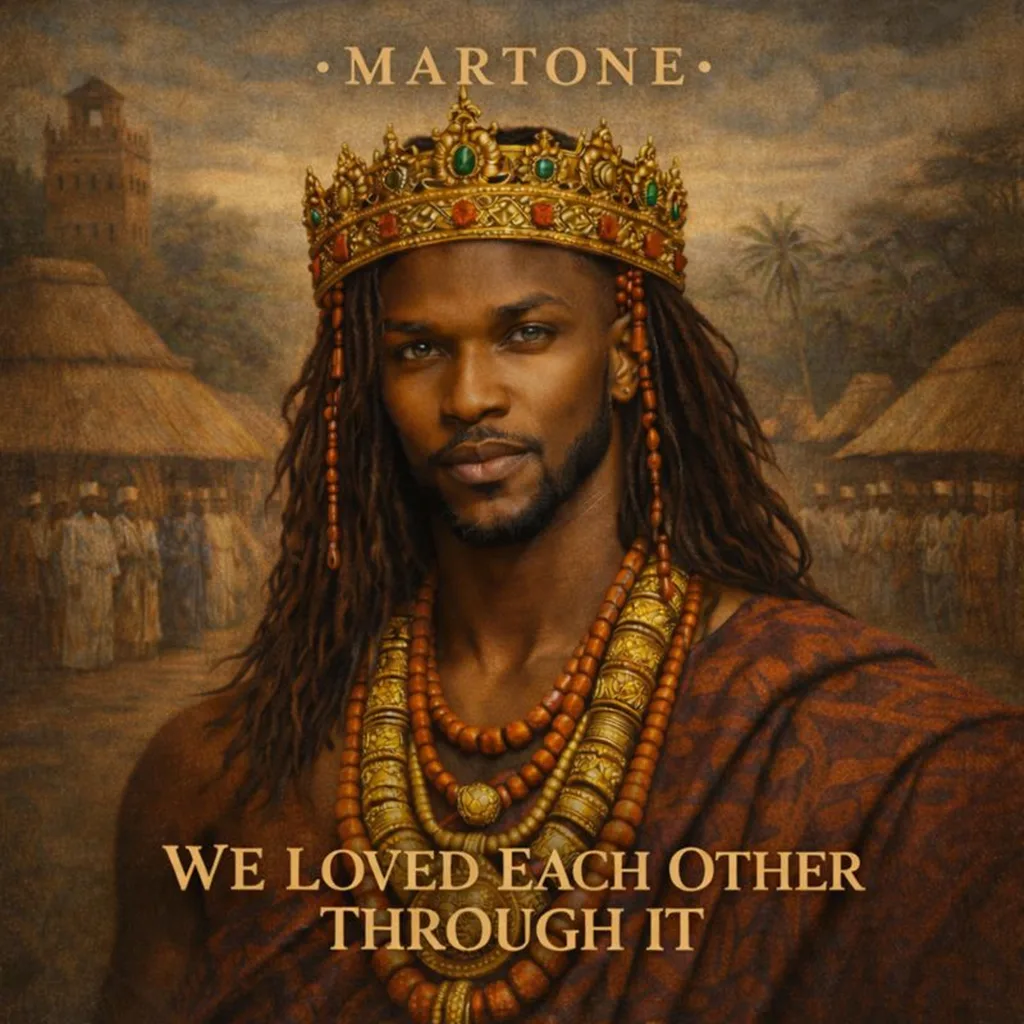
“Under the sun rivers ran deep. Two hearts awakened from ages asleep…”
These are the opening words of my single We Loved Each Other Through It — 250 Years of America—a reflection on love, endurance, and what history reveals about survival through unimaginable circumstances.
Love like that does not exist in isolation.
It exists inside history.
And history is not always kind.
A Global Moment That Forced Reflection
On March 25, 2026, the United Nations General Assembly adopted a historic resolution formally recognizing the transatlantic slave trade and racialized chattel slavery as the “gravest crime against humanity.”
The resolution passed by a vote of 123 in favor, 3 against (including the United States), and 52 abstentions (Associated Press).
While the resolution is not legally binding, its significance is undeniable. It reflects a growing global consensus that the legacy of slavery is not confined to the past—it continues to shape inequality, opportunity, and identity today.
For many, this moment is not just about acknowledgment.
It is about truth, accountability, and the ongoing conversation around reparatory justice (Reuters).
A History Larger Than 250 Years
As the United States approaches 250 years of existence, clarity matters:
Slavery did not begin with America.
The transatlantic slave trade dates back to the mid-15th century, when European powers began forcibly transporting Africans across oceans. Over centuries, this system expanded into one of the most devastating human enterprises in recorded history.
What became the United States did not create that system—
but it absorbed it, expanded it, and embedded it into its economic and social foundation.
Understanding that distinction matters, because this history is both global and deeply American at the same time.
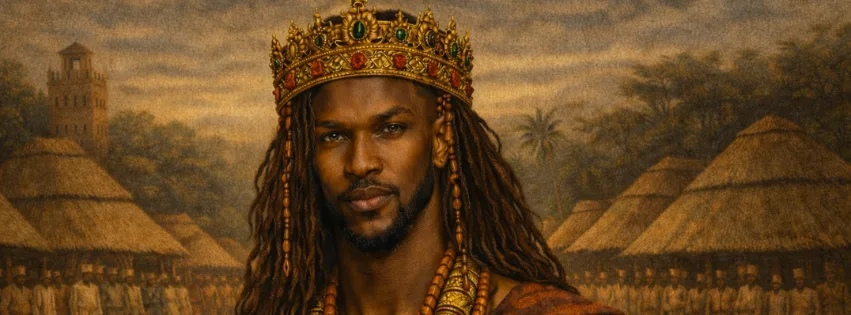
The Song as a Reflection of Survival
When I wrote We Loved Each Other Through It, I wrote it as a love song—but not a simple one.
“Through chains, through tears, through worlds apart…”
Those words carry weight beyond romance. They reflect a deeper truth:
- Families were separated
- Identities were stripped
- Lives were reduced to property
And still—something remained.
Love did not erase suffering.
But it survived it.
That survival is the heartbeat of this song
A Present Still Shaped by the Past
The United States’ decision to vote against the U.N. resolution has sparked ongoing discussion. Officials cited concerns about legal implications and reparations language, while critics viewed the decision as a refusal to fully acknowledge the magnitude of historical injustice (AP News).
At the same time, recent reporting has brought renewed attention to questions of leadership and representation.
In March 2026, major news outlets reported that U.S. Defense Secretary Pete Hegseth removed four Army officers from a promotion list for one-star general, including two Black men and two women, bypassing standard processes. Pentagon officials have denied wrongdoing, but the reports have intensified scrutiny around fairness and advancement within military leadership (The Guardian).
Additional reporting described a disputed allegation that a senior aide suggested President Donald Trump would be uncomfortable appearing alongside a Black female officer at public events. That claim has also been denied, but its circulation has contributed to broader public conversations about race, optics, and power within institutions (People).
These moments are not isolated.
They exist within a longer continuum—one shaped by history, perception, and access to power.
Love, History, and Endurance
We Loved Each Other Through It is not just about the past.
It is about continuity.
It is about how people endure systems, survive conditions, and carry humanity forward even when everything around them is designed to break it.
From the forced journeys that began in the 1400s…
to the foundations of a 250-year-old nation…
to the realities still unfolding today…
The story is not only about suffering.
It is about survival.
Closing — Reflection
History does not disappear.
It evolves, it echoes, and it reveals itself in the present.
And within that, there are still people choosing connection,
choosing resilience,
choosing to move forward despite everything.
We loved each other through it.
And in many ways—
we still are.
Share via:
 English